Maximalist Christmas Decorating Ideas: How to Create a Festive Home Full of Character

Christmas decorating is one of my favourite opportunities to have some fun with interiors. It's a chance to introduce colour, texture, pattern and personality in ways that might feel a little more playful than the rest of the year.
But I don't think creating a beautifully decorated Christmas home is about buying more decorations or following the latest festive trends. It's about creating an atmosphere, bringing together pieces you love and making your home feel special for the season.
For me, maximalist Christmas decorating is all about layering. Think rich colours, interesting textures, collected decorations, beautiful lighting and unexpected combinations that make a room feel warm, full of character and inviting.
Whether you love traditional Christmas colours, prefer something a little more eclectic or want to create a festive scheme that feels completely different, here are some ideas and interior design tips to help you create a maximalist Christmas at home.
If you need a visual plethora of Christmas inspiration (and let's face it, who doesn't at this time of year?), I've been busy pinning all sorts of festive loveliness over on Pinterest. Think colourful Christmas trees, maximalist decorations, creative tablescapes and plenty of ideas to get those festive decorating juices flowing!
1. Embrace colour beyond traditional Christmas red and green

One of the easiest ways to make your Christmas decorations feel more individual is to think beyond the traditional festive colour palette.
Red and green will always have their place, but there's no reason to limit yourself to them. Deep burgundy, jewel-toned blues, emerald greens, mustard yellows, rich pinks and warm terracotta can all create wonderfully festive combinations.
I particularly love the idea of using colours that already feature in your home. If you have a colourful living room, why not pick up those existing shades in your Christmas decorations? It creates a more cohesive look and means your festive decorations feel like they belong in the space.
Design tip: Choose two or three colours from your existing interior scheme and introduce one or two additional shades for contrast. You don't want everything to match, so have fun using a loose colour story to bring the overall look together.
2. Mix patterns, textures and materials

Maximalist interiors are all about creating interest through layers, and Christmas provides the perfect opportunity to experiment.
Combine velvet ribbons, patterned baubles, glass ornaments, metallic details, woven textures and natural foliage. Don't be afraid to mix different finishes or bring together decorations that wouldn't traditionally be considered part of the same collection.
A little contrast is what makes a scheme interesting. Glossy glass against aged brass, soft velvet alongside natural greenery, or delicate decorations mixed with oversized statement pieces.
The key is to think about how everything works together rather than trying to make every decoration identical.
Design tip: Vary the scale of your decorations. Combine larger statement pieces with smaller, more delicate details to create depth and visual interest. Give people a reason to explore your Christmas decorations!
3. Make your Christmas tree a statement

The Christmas tree is often the focal point of a festive scheme, so why not treat it as an opportunity to express your personality?
Rather than sticking to a perfectly coordinated set of baubles, consider building a collection over time. Mix vintage decorations, unusual shapes, different materials and pieces that have sentimental value. This is not only more interesting visually but can also be better for your budget and the environment.
I love trees that look as though they've been collected and decorated over several years rather than bought as a complete matching set. They tell a story of your family over time and express what you love most about this time of the year.
You could also experiment with unexpected colour combinations, oversized bows, decorative garlands or interesting tree toppers.
Design tip: Start with your larger decorations, distributing them around the tree before filling in the gaps with smaller pieces. This helps create a more balanced arrangement without making it feel too uniform.
4. Don't forget the rest of the room

Christmas decorating doesn't have to stop at the tree.
Some of the most effective festive details are found in the less obvious places. A garland draped over a doorway, foliage arranged along a mantelpiece, or a festive arrangement on a coffee table can all help bring a room together.
Think about how you can introduce festive touches throughout the space rather than concentrating everything in one corner.
Shelves, mirrors, window sills, fireplaces and dining tables are all opportunities to add another layer.
My favourite thing to decorate at Christmas is the mantel. It's a perfect opportunity to play with scale, create drama and add visual interest to your room. It looks beautiful when you have a fire on, but even if you don't have a working fireplace, you can still create drama by showcasing your style through an eclectic arrangement.
Design tip: Look at the room as a whole. Distribute festive details across different heights and surfaces so that the decorations feel connected rather than concentrated in one area.
5. Layer lighting to create atmosphere

Lighting can completely change how a room feels, particularly during the darker winter months.
Alongside your main Christmas lights, think about introducing table lamps, wall lights, candles and smaller decorative lighting. Warm, ambient lighting helps create that cosy, welcoming atmosphere that makes Christmas interiors feel so special.
Fairy lights aren't just for the tree either. They can be woven through garlands, arranged around mirrors, draped over mantels or tables, or used to add a little sparkle to unexpected corners.
Design tip: Aim for several smaller sources of warm light rather than relying on one bright overhead light. The result will feel much more inviting. It will also allow your decorations to cast beautiful shadows across the room, creating additional details and layers within your overall design.
6. Bring in natural materials and seasonal foliage

With so much colour and decoration, natural elements can provide a lovely sense of balance.
Pine branches, moss, dried oranges, pine cones, berries and seasonal foliage introduce texture and bring a little of the outdoors inside.
They also complement other decorative materials beautifully, such as velvet, glass and metallic finishes.
You don't need elaborate floral arrangements either. A few branches in an interesting vase or a simple foliage garland can make a real impact.
Design tip: Mix fresh and dried materials for different textures and a combination of seasonal scents. Just remember that fresh foliage will need replacing as it dries out.
7. Create a festive tablescape with personality

Christmas tables are another opportunity to have fun with colour and pattern.
Rather than feeling restricted to a matching dinner set, experiment with layered table linens, patterned plates, colourful glassware, interesting candle holders and collected decorative details.
You could introduce a contrasting table runner, use different coloured napkins or mix vintage crockery with more contemporary pieces. This helps keep the table interesting and fun.
A tablescape doesn't need to be perfectly symmetrical or overly formal. Sometimes the most interesting arrangements are the ones that feel a little more relaxed and collected.
Design tip: Start with your table linen as the foundation, then build upwards with crockery, glassware, candles and foliage. Varying heights helps create a more interesting arrangement. Just remember to take a seat at the table when you're decorating, so you can see how the set-up works for those sitting around it and having conversations. You don't want your beautiful decorations getting in the way of everyone enjoying their Christmas dinner!
8. Mix old and new decorations

One of my favourite things about decorating a home is incorporating pieces with a bit of history.
Christmas is no different. Vintage decorations, inherited ornaments, charity shop finds and handmade pieces can all add a sense of individuality that you won't necessarily find in a matching shop-bought collection.
Combine these with newer decorations that complement your existing collection. The contrast between old and new can make a festive scheme feel much more personal.
And don't underestimate the value of decorations that have a story behind them. They might not be the most expensive or perfectly coordinated pieces, but they can be the ones you look forward to bringing out every year.
Design tip: Give sentimental or particularly unusual decorations a little space to stand out. They can be a great conversation starter when people are visiting over the holidays.
9. Get crafty for a truly bespoke Maximalist Christmas
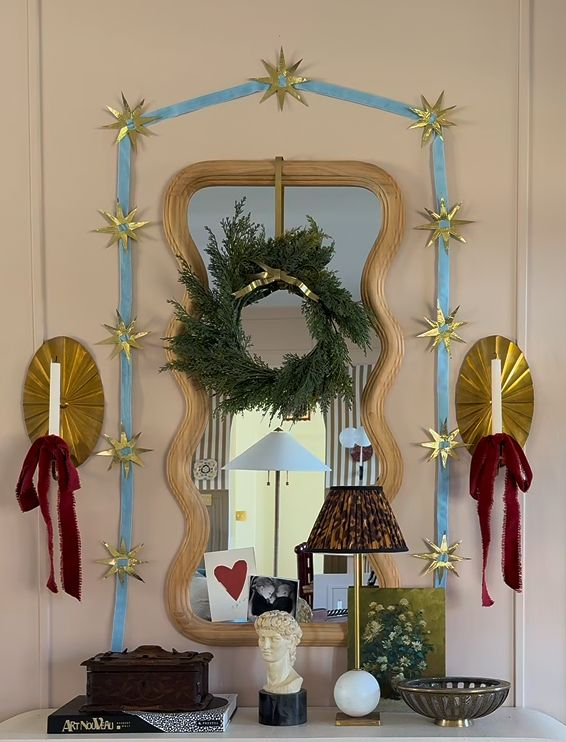
Not every Christmas decoration needs to be bought from a shop. In fact, some of the most interesting decorations can be the ones you've made yourself.
Getting crafty is a lovely way to introduce something a little different into your Christmas scheme, particularly if you want decorations that feel personal and individual.
Think beyond traditional paper snowflakes. Foil art can introduce beautiful metallic details, handmade paper chains can be made in unexpected colour combinations, and velvet ribbon chains are a lovely way to bring in softness, colour and texture. You could also experiment with handmade bows, decorated baubles or paper ornaments in colours that complement your existing scheme.
I also love the idea of making Christmas decorations into an occasion in itself. Invite friends or family over for an evening of Christmas crafting, pop the kettle on, and spend some time making decorations together. It's a lovely way to create new traditions, get children involved and make decorations that will have their own memories attached to them.
Design tip: Think about your overall colour scheme before choosing your materials. Handmade decorations don't need to match everything else, but picking up a few existing colours will help them sit comfortably within your festive scheme.
10. Don't be afraid to break the rules

Perhaps the most important thing about maximalist Christmas decorating is that there isn't one right way to do it.
You don't need to follow a particular colour scheme, buy a new collection of decorations every year or make every room look like a perfectly styled Christmas catalogue.
You can have a traditional tree in a contemporary room, combine unexpected colours, mix patterns or decorate with pieces that don't conventionally look festive at all.
The most interesting homes are often the ones that reflect the people living in them. And that's what I think Christmas decorating should be about: creating a home that feels welcoming, personal and full of character.
Creating a Maximalist Christmas home that feels like you
Ultimately, maximalist Christmas decorating isn't about how many decorations you can fit into a room. It's about creating layers, introducing interesting combinations and surrounding yourself with things you love.
Start with the colours and pieces you already have, add a few unexpected details, experiment with texture and lighting, and don't worry too much about everything matching.
Whether your version of maximalist Christmas is full of rich jewel tones, vintage decorations, eclectic patterns or a combination of all three, the best festive interiors are the ones that feel personal.
After all, your home doesn't need to look like everybody else's at Christmas. It needs to feel like yours.
If you fancy a little more Christmas inspiration, I'll be sharing plenty more over on Instagram throughout the festive season, including bits and pieces from our own home. Come and have a nosey and give me a follow!
Comments