Patterns in Interior Design: The Ultimate Interior Design Pattern Glossary for Maximalist Interiors

Patterns are the beating heart of maximalist interior design. In this comprehensive guide you’ll find:
Why Patterns Matter in Maximalist Interiors

Patterns are the backbone of strong maximalist design schemes. The ability to mix, layer, and combine multiple patterns is what makes maximalism so distinctive and visually exciting.
Patterns naturally draw our attention because they introduce movement and interaction within a space. This sense of movement creates visual interest and can dramatically shape the mood or atmosphere of a room depending on the patterns you choose.
Patterns also allow us to express our personality and individual style. They influence how we feel in a space and how we interact with it.
At its core, a pattern refers to the visual arrangement of shapes, lines, or colours that repeat in either a structured or organic way.
Patterns can be incorporated throughout the home in many different ways:
On walls through wallpaper or hand-painted murals
In fabrics such as upholstery, curtains, cushions and throws
On floors through carpets, wooden flooring, tiles and rugs
In lighting, from patterned shades to decorative hardware
Through accessories such as artwork, vases, ornaments, wall hangings and photo frames
The Four Main Pattern Categories in Interior Design
There are countless patterns used in interior design, but designers often group them into four broad families or categories.
Understanding these categories helps make it easier to mix and layer patterns successfully.

Floral Patterns

Floral patterns include anything inspired by nature. This could be flowers themselves, but also greenery, leaves, vines, botanical elements, and plant seeds.
Florals can range from delicate and romantic to bold and dramatic, depending on their scale, colour palette, and composition. Some designs evoke a kitsch English countryside aesthetic, while others lean into tropical or exotic influences.
As a general rule, florals bring softness, romance, and organic movement to a space.
Geometric Patterns

Geometric patterns are built from the repetition of lines, shapes, and structured forms.
These patterns are graphic in nature and bring order, rhythm, and structure to a design scheme.
In 2025 and 2026, geometric patterns have seen a major resurgence, particularly stripes, which have become incredibly popular across wallpapers, textiles, and accessories.
Other examples of geometric patterns include:
Checks
Chevron
Trellis
Hexagons
Houndstooth
Greek Key
Abstract Patterns

Abstract patterns are less structured and often more expressive.
They can include free-form shapes, flowing lines, painterly brush strokes, and watercolour-inspired designs.
These patterns tend to feel creative, artistic, and energetic.
Examples of abstract patterns include:
Brushstroke designs
Ink effects
Colour blocking
Painterly splashes
Abstract tribal prints
Modern digital prints
Abstract patterns often bring movement, creativity, and a contemporary edge to a design scheme.
Organic, Animal and Nature Patterns

This category includes patterns inspired directly by the natural world.
Animal prints are the most recognisable examples, including:
Leopard
Zebra
Cheetah
Cowhide
Tiger
Tortoiseshell
However, the category also includes many other nature-inspired patterns such as:
Animal motifs
Scenic landscapes
Marble textures
Wood grain patterns
Natural textures
These patterns often introduce depth, texture, and a strong visual statement into interiors.
Your Go-To Interior Design Pattern Glossary
Finding the right pattern can sometimes feel overwhelming, especially when there are so many options available.
This glossary is designed to be your one-stop reference guide to interior design patterns.
Each pattern includes:
A short history of its origins
Its visual characteristics
Guidance on where and how to use it in interiors
An image of the pattern, with a clickable link to a Pinterest board full of inspiration
You can access a free PDF download of this 30 Interior Design Patterns Explained table here
Pattern | History | Characteristics | Use | Pinterest Inspo | |
Stripes | One of the oldest textile patterns, used across many cultures for centuries in interiors. | Parallel lines that can vary in width, spacing, and direction. The various combinations create different structures and rhythms. | Stripes work well in all settings, from wallpaper to upholstery to flooring. Stripes are a go-to for pattern layering and clashing and work particularly well with florals and other geometric patterns. |  | |
Chevron | Chevrons were a classic design staple of ancient Greece and were often seen adorning pottery and architectural friezes. | A continuous zigzag pattern that forms repeating V shapes. | Chevron patterns add movement and energy to a space, making them great for flooring choices and bold accessories. They naturally pair well with plain fabrics and florals. |  | |
Herringbone | The term herringbone comes from the skeleton of a herring fish. The pattern has been used across various design periods — from the roads of ancient Greece to the introduction of parquet flooring in 17th-century France and modern-day interpretations. | Similar to chevron design, herringbone is also a zigzag pattern, but it is arranged at a 45-degree angle which creates a broken zigzag effect. | Herringbone is extremely versatile and can introduce pattern in subtle ways or be used to add drama and make a statement. It is most commonly used in flooring but also appears in textiles and upholstery. |  | |
Check | Checks have been used for centuries across many cultures and countries. They were commonly used in weaving practices as early as the Neolithic period. | A grid of evenly spaced squares formed by intersecting lines. Checks are often seen in two colours but can also be multicoloured. This category includes checkerboard, plaid, gingham, and tartan patterns. | Checks are extremely versatile. They can create a kitsch English countryside feel when shown in soft pastel combinations, or a dramatic modern scheme when constructed with high-contrast colours and paired with stripes. |  | |
Trellis | Trellis patterns have been used across the world for centuries - from Roman and Chinese garden support structures to Moroccan and Persian textiles where they symbolised protection and tranquillity. | A repeating pattern of interlocking lines that form diamond or lattice shapes. | A structured pattern that works particularly well for wallpaper designs. Trellis pairs beautifully with florals to create a biophilic design scheme and can also be used to create Middle Eastern-inspired interiors. |  | |
Greek Key | An ancient Greek decorative motif used to adorn pottery, architecture, and textiles. | A continuous linear pattern forming square spirals. | Greek Key patterns give a strong sense of order and symmetry. They work well as borders, trims, accessories, and accent details. |  | |
Quatrefoil | A medieval motif found in Gothic and Renaissance architecture. | A four-lobed symmetrical shape often resembling a clover or stylised flower. | A highly decorative pattern that lends itself well to floor tiles, fabrics, and soft furnishings. |  | |
Islamic Geometric Patterns/ Moroccan tile | Originating from 8th-century Islamic art, this style focuses on craftsmanship and the intersection of art and mathematics. | Typically divided into three groups: Geometric / Zellige: interlocking polygons such as hexagons and octagons forming stars and repeating grids Vegetal / Arabesque: flowing organic patterns featuring vines and leaves Calligraphic: Arabic script integrated into decorative design | Most commonly used in tiles to create detailed patterned flooring. These designs also work beautifully in rugs, wallpapers, and splash backs. |  | |
Polka dot | While dotted patterns have existed for centuries, the term polka dot emerged during the polka dance craze of the 19th century. | Regularly spaced dots arranged in either uniform or scattered patterns. | Polka dots bring joy and playfulness to a space. There is a wide range of experimentation to be had, with scale, colour, and placement. They pair particularly well with stripes to create bold pattern clashes. |  | |
Botanical | Inspired by botanical illustrations from scientific studies in the 18th and 19th centuries. | Patterns depicting leaves, plants, foliage, and botanical forms, ranging from realistic illustrations to stylised designs. | Botanical patterns bring freshness and a sense of nature into a space. They work beautifully across wallpapers, soft furnishings, and accessories. |  | |
Floral | Florals have appeared in interiors for centuries, but in the UK their popularity increased significantly during the Arts and Crafts movement led by William Morris. | Repeating patterns of flowers and foliage. This category includes designs such as ditsy florals, Jacobean florals, and chintz. | Florals are extremely versatile. They can appear in bold large-scale prints or delicate ditsy patterns. Their adaptability makes them perfect for layering with many other pattern types, particularly stripes. |  | |
Toile de Jouy | Originating in 18th-century France, this pattern depicts romanticised rural scenes and often reflected life and events of the period. | Detailed pastoral scenes printed in a single colour, typically blue, red, or black, on a cream background. | An elegant pattern most commonly used for wallpaper and upholstery. |  | |
Indian block print | Deeply rooted in Indian history, block printing became popular in Europe during the 17th century and influenced the chintz craze and the development of Paisley. | Hand-carved wooden blocks are used to stamp rhythmic, repeating designs onto fabric. | The handmade nature gives these patterns a relaxed, lived-in feel, making them perfect for layering. They are often seen in rich or earthy colours and pair beautifully with other block prints. |  | |
Chinoiserie | A European decorative style inspired by Chinese art from the 17th and 18th centuries. | Highly detailed scenes featuring birds, flowers, landscapes, and pagodas. | Often used in wallpaper and fabrics, particularly in traditional or period homes. They also work beautifully within panelled wall schemes. |  | |
Paisley | Originating in Persian and Indian textiles, the motif was later adopted by Scottish weavers in the town of Paisley. | Distinctive curved teardrop motifs filled with intricate decorative details. | A richly decorative pattern that works beautifully in upholstery, fabrics, and wallpaper. It pairs well with stripes, geometrics, and polka dots. |  | |
Ikat | One of the oldest textile decoration techniques, developed independently in South America, Southeast Asia, and Central Asia. | Threads are dyed before weaving, meaning the pattern is woven into the fabric rather than printed onto it. This creates a distinctive blurred effect. | Ikat patterns add movement and artisan character. They work well in cushions, rugs, and upholstery and can bring strong colour impact to a space. |  | |
Shibori | An ancient Japanese textile dyeing technique based on shaped-resist dyeing. | Organic patterns created by folding, binding, or twisting fabric before dyeing, often in indigo tones. | A relaxed and artistic pattern style that works well in textiles, soft furnishings, and lampshades. It layers beautifully with geometrics, ikat, and natural textures. |  | |
Mud cloth | A traditional handmade textile from Mali in West Africa. | Geometric and symbolic patterns created using fermented mud dyes. | Mud cloth adds richness, texture, and cultural depth. It works well in textiles, wall hangings, and accessories. |  | |
Brushstroke | Brushstroke patterns have appeared across many art movements, from Renaissance painting to modern pop art. | Patterns based on visible brush marks, celebrating expressive strokes and imperfection. | Works beautifully for large mural wallpapers as well as textiles and accessories. Pairs well with other abstract or geometric patterns. |  | |
Watercolour | Watercolour techniques date back to early painting traditions and are seeing renewed popularity in contemporary design. | Soft colour washes with fluid edges and gradients. | Creates a calm, soft aesthetic and works well for murals, textiles, and upholstery. |  | |
Terrazzo | Invented by Venetian mosaic workers who reused leftover marble chips to create affordable flooring. It has seen many resurgences, namely the 1920s, 1980s and is set for another in 2026. | A random, speckled style pattern that is made of scattered stone chips. It can be created in a range of colours as well as monochrome or multicoloured. | Playful and versatile, terrazzo works well for flooring, worktops, and surfaces in kitchens and bathrooms. It pairs wonderfully with geometrics, namely stripes, as well as animal prints. | 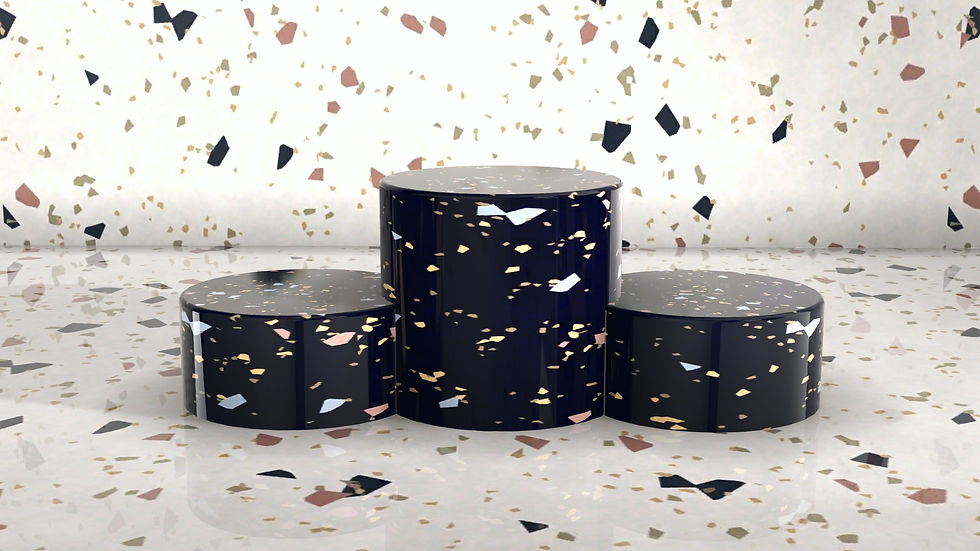 | |
Camouflage | Developed during World War I to conceal military equipment from aerial reconnaissance. It has since seen increased popularity in interiors and fashion. | Irregular shapes and tones designed to break up outlines and blend into surroundings. | Best used as an accent pattern in accessories. It can be traditional in earthy tones or reimagined in bold, neon colour ways. |  | |
Leopard | Historically associated with power and prestige in many cultures. | Irregular rosette-shaped spots on a warm-toned background. | Often considered the “neutral” of maximalist design and can be paired with almost any other pattern. |  | |
Zebra | Popularised in interiors during the 1920s Art Deco movement. | Organic flowing stripes that feel both abstract and geometric. | A high-contrast statement pattern that works well layered with other bold patterns and colours. |  | |
Snakeskin | Snake print became popular during the Art Deco period and again during the 1970s. | A repeating hexagonal or diamond-like scale pattern. | Because the scales are small, the pattern can often act almost like a neutral. It works well in wallpapers, textiles, and accessories. |  | |
Animal motif | Animal motifs have long been used in interiors to convey symbolism and storytelling. For example, cranes represent peace, serpents symbolise transformation, and lions represent royalty. | Illustrated or stylised depictions of animals rather than prints mimicking their fur or skin. | Extremely versatile. They work well in nurseries, children’s rooms, living spaces, and offices. They pair beautifully with stripes, spots, animal prints, and traditional decorative patterns. |  | |
Damask | Originating in the city of Damascus during the early Middle Ages, damask fabrics were traditionally woven from silk and prized across Europe and the Middle East for their intricate decorative patterns. | An ornate pattern featuring symmetrical designs of florals, scrolls, and foliage. Damask is typically woven so that the pattern appears slightly raised or contrasted against the background. | Damask brings a sense of tradition to interiors. It is commonly used in wallpaper, upholstery, and curtains. It works well in period properties. |  | |
Ogee | The ogee shape originated in Middle Eastern and Gothic architecture and later became widely used in textiles, ceramics, and decorative arts | A repeating pattern formed by two opposing curved arcs that create an elongated “S” or onion-like shape. | Ogee patterns introduce rhythm and movement while still feeling structured and symmetrical. They work well for wallpaper, tiles, and textiles and pair nicely with florals and other geometric patterns. |  | |
Argyle | Argyle originates from the tartans of Clan Campbell in Scotland and became widely known through knitwear during the 20th century. | A repeating pattern of overlapping diamonds, often layered with thin diagonal lines running across the design. | Argyle can feel classic or playful depending on the colour palette. It works well in upholstery, rugs, and soft furnishings. |  | |
Harlequin | The harlequin pattern dates back to the costumes worn by the Harlequin character in Italian Commedia dell’Arte theatre during the 16th century. | A bold pattern made up of repeating diamond shapes arranged in a grid. | Harlequin patterns are striking and graphic, making them ideal for flooring, upholstery, and statement textiles. |  |
How to successfully mix and layer patterns
All patterns work beautifully on their own and can make a powerful statement when used individually.
However, maximalism truly shines when patterns are layered together. The art lies in finding combinations that enhance one another while creating an unexpected yet harmonious balance.

Here are my top tips for successfully mixing and layering patterns.
1. Define Your “Hero” Pattern
Choose one dominant pattern — usually your largest or most complex design, or simply the one you absolutely love and want to centre the room around.
Analyse this pattern carefully:
What type of pattern is it? (organic vs geometric)
What colours does it contain?
What scale is it? (large or small print)
Your hero pattern will set the rules for every other pattern you introduce into the space.
2. Look for Common Threads
This is what separates a design that feels curated from one that feels messy.
Look for connections between your secondary patterns and the hero pattern.
For example:
Choose patterns that share at least one colour with your hero pattern.
Look for historical or cultural links between patterns.
For instance, Indian block prints, Paisley, and Jacobean florals naturally work well together because they share historical trade and design influences.
3. Contrast Your Pattern Shapes
Patterns work best when they contrast rather than compete.
If your hero pattern is fluid, such as an animal print, pair it with something more structured, like a geometric stripe.
This contrast allows the eye to rest between patterns and prevents the design from feeling overwhelming.
4. Vary the Scale (The 60 / 30 / 10 Rule)
Layering patterns is all about proportions.
Using patterns of exactly the same scale next to each other can create a vibrating effect, which can strain the eyes.
Instead, mix different scales.
Example:
A large Ikat armchair pairs beautifully with a small-scale check cushion.
A helpful guideline is the 60 / 30 / 10 rule:
60% – Hero Pattern- The main anchor of the room, covering large surfaces such as walls, rugs, or sofas.
30% – Secondary Pattern- Adds contrast and visual interest. Often used on curtains, occasional chairs or bedding.
10% – Accent Pattern- The finishing touch. Used for accessories such as cushions, lampshades, or throws.
5. Use Solid “Breathing Space”
The secret to successful maximalism is that not every surface needs to be patterned.
Solid colours and natural materials create important visual breathing space. They allow the patterns around them to stand out and shine even more.
Natural materials are particularly effective in maximalist interiors. For example, a rattan coffee table or wooden sideboard can beautifully balance a room filled with bold patterns.
Summary
Patterns are one of the most powerful tools in interior design. They bring movement, personality, texture, and emotion into a space.
By understanding the four main pattern families — floral, geometric, abstract, and organic — you can begin to recognise how patterns interact with each other and how they influence the mood of a room.
The glossary above highlights just how rich the world of pattern is, from historic textiles like Paisley and Ikat to graphic geometric designs like stripes and chevron, and bold natural patterns such as leopard or zebra print.
When used thoughtfully, patterns allow you to tell a story within your home. Whether you prefer subtle layering or bold maximalist clashes, understanding the history, structure, and character of patterns will help you design spaces that feel both intentional and full of personality.

Download the Pattern Glossary
Ready to become a pattern pro?
Download the full printable interior design pattern glossary PDF to keep all 30 patterns, their histories, characteristics, and ideal uses at your fingertips. It’s the perfect reference guide when planning your next interior design project or experimenting with pattern layering.
And if you’d like even more inspiration, follow along on Instagram at @featherandfossil_interiors where I share design tips, behind-the-scenes projects, and ideas for bringing bold maximalist interiors to life.

Comments